Love Mom T-shirt Design: A Pro's Take on Real Embroidery Use
As a designer who spends more time staring at stitch maps than most people spend looking at their phones, I approach every new machine embroidery design with a mix of excitement and skepticism. We've all been there: you download a file that looks stunning on the screen, only to find out it's a nightmare of underlay issues or impossible density once it hits the hoop. Today, I'm taking a close look at the Love Mom T-shirt Design, evaluating it not just as a pretty picture, but as a viable asset for real-world production.
This isn't a basic product description; this is a field test in my mind. Whether you are an Etsy seller prepping for Mother's Day, a boutique owner creating custom apparel, or a hobbyist making a personalized gift, the stakes are different when thread meets fabric. Let's break down how this graphic holds up when translated into stitches.
First Impressions: Mood and Layout Potential
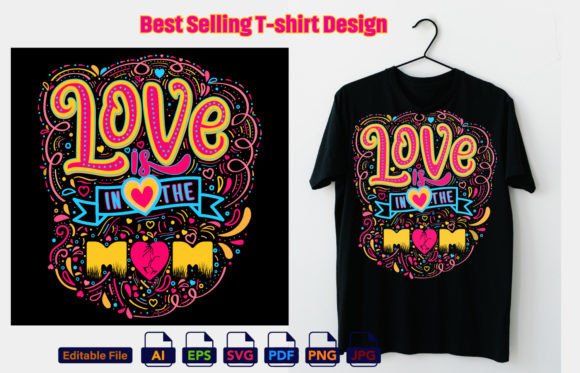
The first thing that strikes me about the Love Mom T-shirt Design is its versatility. In the world of T-Shirt Designs and Graphics, simplicity often wins, especially when we are talking about embroidery. This design carries a warm, affectionate mood that feels appropriate for a wide range of demographics, from toddlers to adult children buying gifts. The layout appears balanced, which is crucial because embroidery doesn't forgive awkward spacing the way digital printing might.
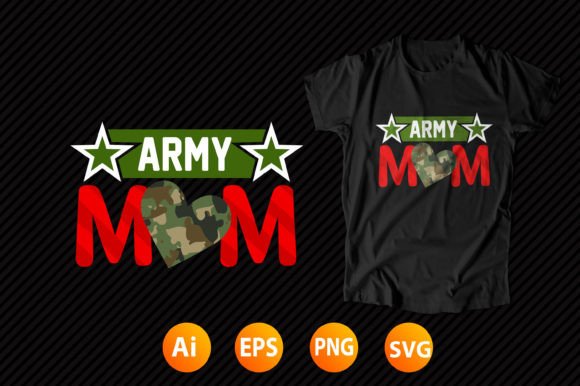
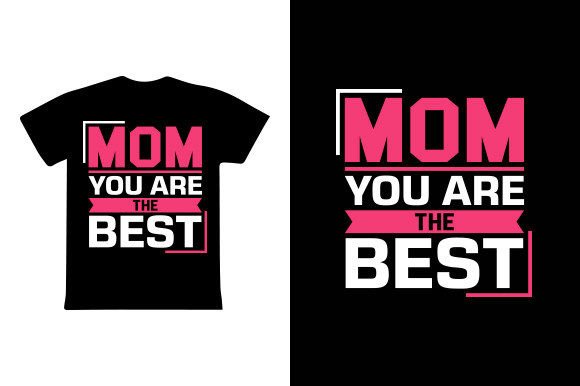
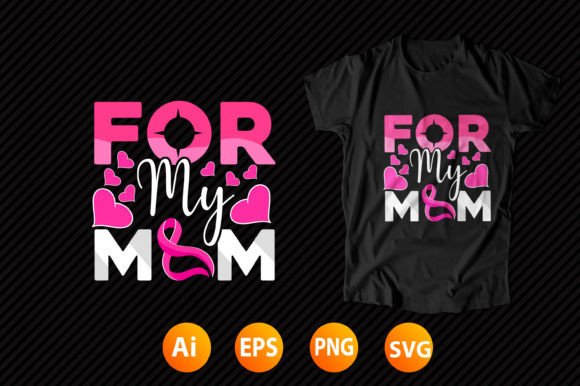
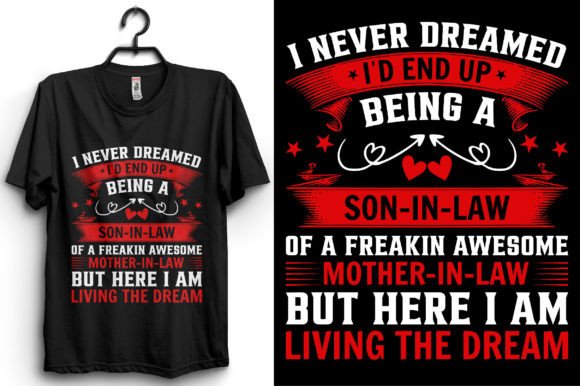
Visually, the design suggests a blend of script and solid shapes. If this vector illustration translates well into an embroidery file, we should be looking at a combination of satin stitch for the lettering and perhaps a fill stitch for any heart icons or decorative elements. The "personality" of the design feels soft yet bold enough to stand out on a garment. It avoids the trap of being too fussy, which is a common pitfall in mom-themed graphics that often rely on excessive swirls that turn into bird nests under the needle.
Real-World Application: From Screen to Stitch
Let's imagine a real scenario. I have a client who runs a small local shop selling curated baby items and wants to launch a line of organic cotton tote bags for Mother's Day. They need something that screams "handmade quality" without looking amateurish. The Love Mom T-shirt Design fits this brief perfectly. Because it is described as a high-quality vector illustration, it implies clean lines that can be digitized effectively.
For a project like this, I would place the design centrally on a natural canvas tote bag design. The contrast of white or cream thread against the raw fabric texture creates an immediate sense of artisanal value. However, if we shift gears to sweatshirt embroidery, the approach changes. On a fleece hoodie, the design needs to breathe. If the digitizer has packed the stitch density too high, the fabric will pucker, and the text will become unreadable. A successful execution here means the design remains crisp even on textured fabrics.
I can also see this working beautifully as an embroidered patch. Patches are huge right now for craft businesses. If you digitize this with a merrowed edge or a tight satin border, it becomes a standalone product that customers can iron onto jackets or backpacks. This expands the utility of the Love Mom T-shirt Design beyond just direct-to-garment applications, opening up revenue streams for small shop products.
Navigating Fabric Challenges and Hoop Limitations
While the design concept is strong, practical application requires caution. Not every surface is created equal. If you are planning to use this on a cap, remember that curved surfaces distort designs. The "Love Mom" text might need to be arched slightly during the digitizing phase to appear straight once stitched on the crown of a hat. Similarly, stretchy fabrics like jersey knits used in baby clothes require a cut-away stabilizer to prevent the design from warping after the first wash.
Another critical factor is size. If you intend to shrink this down for a pocket logo on an apron or a small detail on a pillow cover, you must check the legibility of the smallest elements. Tiny lettering often collapses if the running stitch or satin columns are too narrow. Always test the design on scrap fabric identical to your final material before committing to a production run. This is non-negotiable for maintaining brand consistency and customer trust.
Dark fabrics present another hurdle. If the original vector relies on light colors, ensure your thread colors have enough opacity and contrast. Sometimes, a design needs a layer of underlay stitching or even a fabric backing to pop against black or navy blue garments. Don't assume the default settings will work; tweak them to suit the specific fabric texture you are working with.
Enhancing Value and Customer Perception
In the competitive landscape of commercial embroidery and handmade goods, the finish of your product dictates its perceived value. A well-executed version of the Love Mom T-shirt Design elevates a simple t-shirt into a cherished keepsake. Customers aren't just buying a shirt; they are buying a sentiment. When the stitches are uniform, the pull compensation is correct, and the backing is trimmed cleanly, it signals professionalism.
This attention to detail directly impacts buyer engagement. An Etsy seller using this design in their listings should showcase close-up shots of the stitching quality. Show the texture of the thread and how it sits on the fabric. These visual cues reassure potential buyers that they are purchasing a premium handmade product rather than a mass-produced item. For those creating printable mockups or digital previews, ensure the representation matches the reality of the stitched output to avoid disappointment.
Designer Notes for Successful Execution
Before you load this into your machine, here are a few practical steps to ensure success:
- Check the License: Since this is a graphic intended for various uses, confirm whether the license allows for commercial sale of finished physical items versus digital redistribution. Most vector illustrations allow for physical goods, but always verify.
- Digitizing Strategy: If you are converting the vector yourself, pay attention to stitch direction. Changing the angle of the fill stitch can add depth and prevent the design from looking flat.
- Thread Selection: Choose high-sheen rayon or durable polyester threads depending on the end use. For items that will be washed frequently, like kitchen towels or kids' shirts, polyester is often the safer bet for colorfastness.
- Test Runs: Run a test on a similar weight fabric. Check for puckering, thread breaks, and registration issues between color stops.
- File Formats: Ensure you have the correct digital embroidery file format for your specific machine brand (PES, DST, EXP, etc.). Do not rely solely on the vector image; you need a properly digitized stitch file.
Ultimately, the Love Mom T-shirt Design offers a solid foundation for a variety of creative projects. Its strength lies in its emotional resonance and adaptable layout. However, its success in your hands depends entirely on your technical execution. By respecting the limitations of your materials and paying attention to the details of stitch construction, you can transform this graphic into a standout piece that delights customers and strengthens your reputation as a skilled maker. Whether it ends up on a cozy jumper, a sturdy tote, or a delicate baby onesie, the goal is the same: to create a finished product that feels as good as it looks.